
Designing your own space can feel overwhelming without a clear starting point. One of the most important steps in creating a home that truly reflects you—and stands the test of time—is identifying your personal style and understanding your design aesthetic. Establishing this foundation will guide your decisions and help ensure your space is both functional and timeless; while remaining a place you love for years to come.
Reflect on your lifestyle
How you want to use your space, and the way you want it to feel, is really the starting point for any great design.
- Identify the purpose or function of the room – What activities do you use the room for? Do you work from home in this room so therefore need suitable seating & desk space with adequate lighting? Perhaps sun screening blinds are needed to keep glare from your screens. Is your living space a quiet relaxation room that you retreat to in the evenings, so you need comfortable seating, calm colours, and maybe thick insulating curtains to keep in warmth and create a cosy atmosphere? Identifying the usage of the room will help make practical design decisions suitable for your lifestyle.
- How would you like the room to feel – Write down a few words describing how you want the room to feel. More often, most people would like a bedroom to feel tranquil and calm. You can create a cosy, restful space by using calming colours, fitting soft flooring and blackout blinds or curtains, to blocking out early morning sunlight so it doesn’t wake you before your alarm. Designing a room around a mood will improve the functionality and purpose of the room.
- Evaluate your current belongings – Do you have furnishings that you already love? Note your favourite items and what you like about them to help incorporate them into your new scheme. Do your favourites have a clear colour palette theme? Do they serve a particular purpose for you? These items can serve as influence to designing your new scheme.
Assess your preferences
Analysing your preferences will be key to discovering your design aesthetic.
- Colours – Do you find yourself drawn to bold vibrant hues, or calming neutral tones?
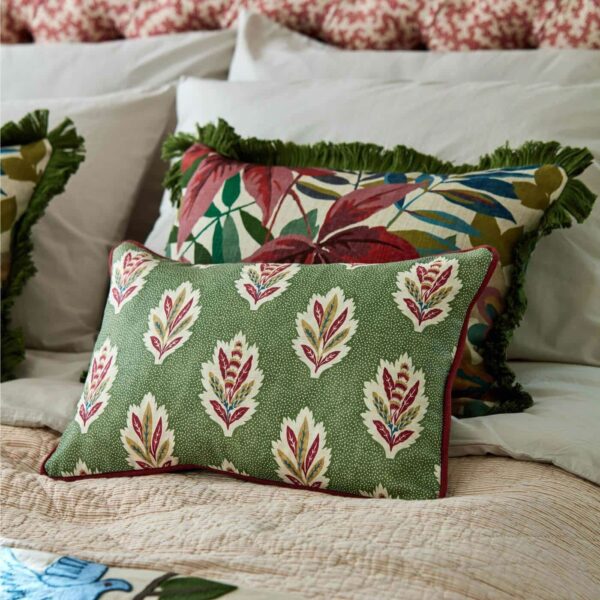
- Patterns – Do heavily patterned busy designs catch your eye, or do you prefer more subtle ‘barely there’ pattern? Is nature inspiring to you, and so gravitate towards botanical or floral prints? A great tip is to take a look inside your wardrobe. The clothing we buy and wear gives a good indication of the colours and patterns we are gravitate towards.
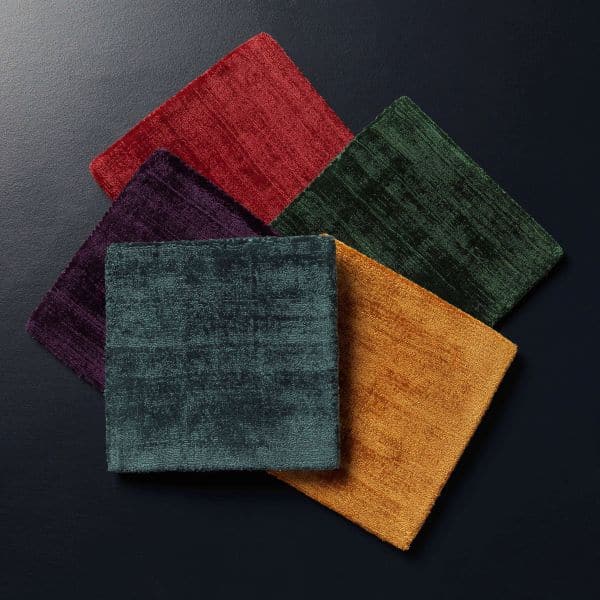
- Texture – Do you prefer sleek smooth surfaces, metals, maybe even warm woods? Or do you prefer plush, soft textures like velvets? Using different textures adds depth and interest to your design scheme.
- Gather inspiration – Explore social media platforms like Pinterest or gather images from magazines to identify the common themes in the styles that attract you. Having visual representation of décor you are drawn to will be a great help in putting your new scheme together.
Match your preferences to design styles
Looking at the different design styles, and aligning your preferences with the ones that catch your eye to help coordinate your scheme. Embrace mixing and matching design styles – this will help personalise your scheme to you. Here are some trendy design style options you may consider:
Modern – Modern aesthetic generally involves sleek surfaces, and clean lines. Modern colour palettes tend to incorporate neutral colour palettes.
Minimalist – Simple, uncluttered spaces with a carefully curated selection of furniture and accessories with a strong focus on “less is more”
Scandi – Bright and airy spaces, often paired with light wood tones and textures like boucle fabrics and rugs to add texture. Simplicity and functionality are the focus of most Scandi schemes.
Traditional – Dark woods and ornate details are often associated with traditional décor. Plush velvets, often in rich royal blues, or deep maroon colours can be used in furniture upholstery and curtaining to create a more traditional feel. The addition of tassel or fringing trims to cushions and cushions emphasises the traditional tones.
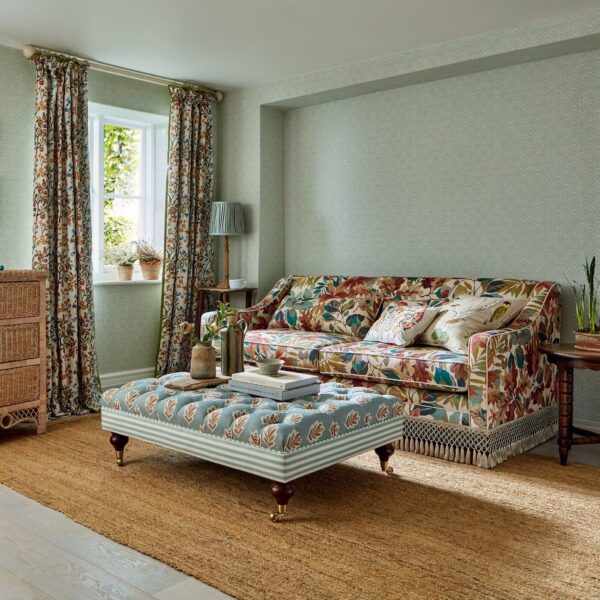
Maximalism – More is more! Embracing pattern and colour drenching to all aspects of your décor can make a showstopping scheme. Layering a variety of different scaled patterns in tonal colours and textures creates interest and personality for your scheme.
Cottage core – Romanticising the country and rustic aesthetic. Think nature inspired fabrics, warm earthy tones, and wood floors. Cottage core embraces the cosy and welcoming spaces.
How Dible & Roy can help
Our carefully curated showroom is filled with ample carpet and flooring options, curtains, blinds, and an eclectic mix of furniture and accessories to pull your scheme together. We offer free 30-minute design consultations in our showroom for those looking for made to measure services. Our professional measuring and fitting services ensure the perfect finish to your scheme.
Contact us to see how we can help! Give us a call on 01225 862320, email sales@dibleandroy.co.uk or filling in our contact us form here.