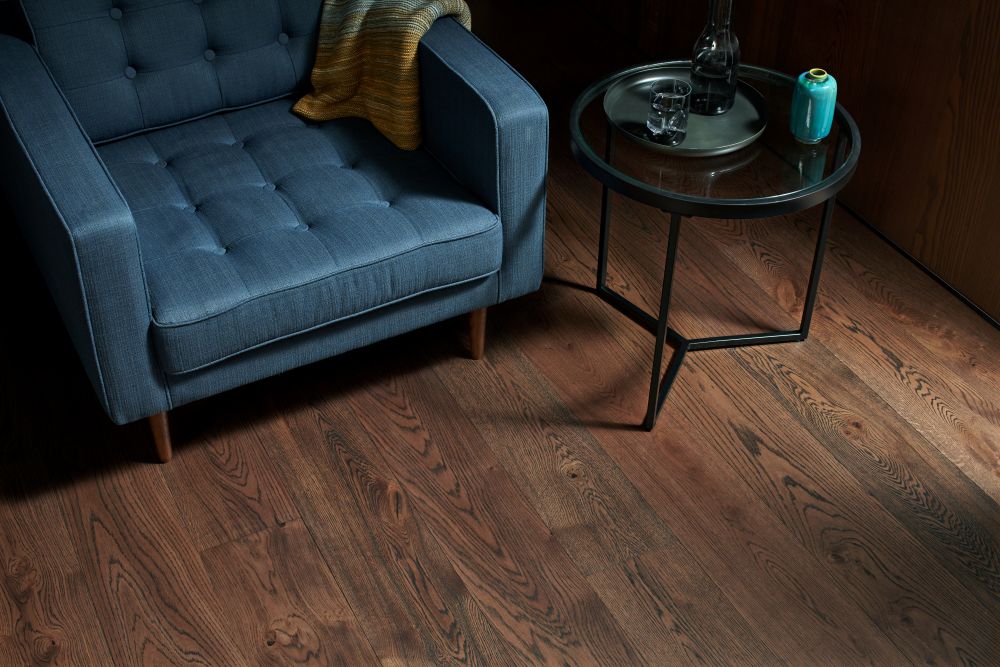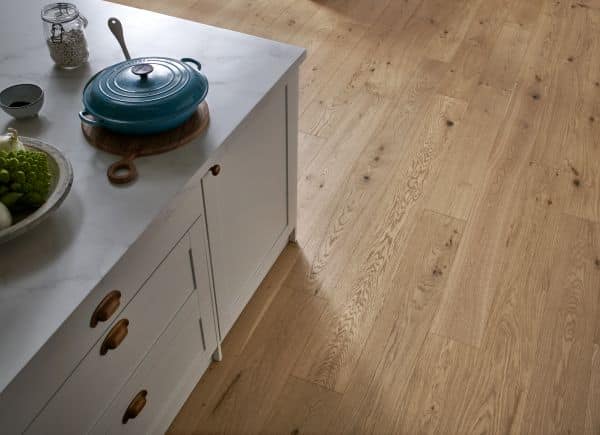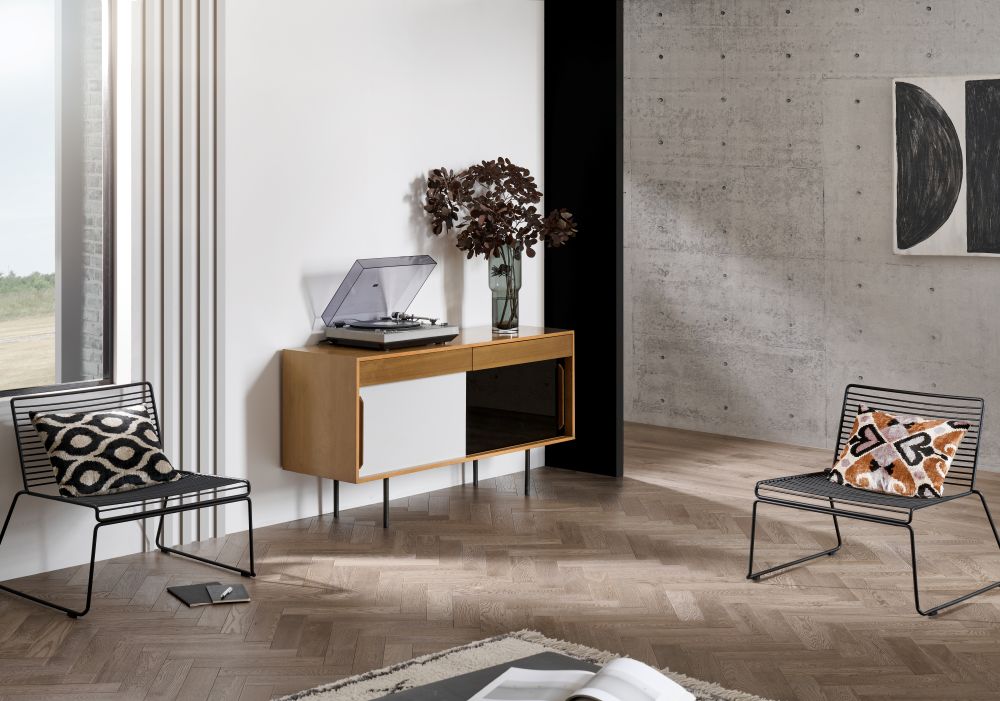
Engineered wood flooring has become one of the most popular choices of floor coverings for homeowners looking for the beauty of natural wood with improved stability and durability. If you are considering installing engineered wood flooring in your home, it is likely that you will have some questions.
In this guide, we answer the most frequently asked questions about engineered wood flooring to help you make an informed decision.
What is Engineered Wood Flooring?
Engineered wood flooring uses multiple layers of wood bonded together. The top layer, known as the ‘wear layer’, features real hardwood – commonly oak – while the layers beneath use plywood or high-density fibreboard. This advanced, layered construction makes engineered wood more stable than traditional hardwood solid floors as they are less likely to expand and contract with changes in temperature and humidity.
What’s the difference between Engineered Wood and Solid Wood?
The main difference between engineered wood and solid wood flooring lies in the construction of the boards. Solid wood flooring uses a single piece of wood, while engineered wood flooring uses multiple layers topped with real hardwood.
How durable is Engineered Wood Flooring?
Engineered wood flooring is highly durable! The durability largely depends on the thickness of the real wood top layer. Most engineered wood boards consist of a wear layer between 2mm – 6mm, allowing for sanding and refinishing over time if required. The number of times an engineered wood flooring can be refinished will depend on how thick your wear layer is. Opting for a thicker wear layer will provide better longevity for your flooring solution.
With the right care, high quality engineered wood flooring can last for many years.
Is it waterproof?
Engineered wood flooring offers good water resistance but is not completely waterproof. The layered construction improves stability and moisture resistance compared to solid wood flooring, though prolonged exposure to water can still cause damage.
Avoid standing water and wipe up spills quickly to protect the floor and extend its lifespan.
Where can you use Engineered Wood Flooring?
One of the biggest advantages is its versatility! Common installation areas include:
- Living Rooms
- Dining Rooms
- Kitchens (being mindful to mop up spills!)
- Hallways
- Open plan areas
Engineered flooring can be installed over most wood and concrete subfloors, as well as existing tiles, as long as the surface is level. Experienced engineered wood flooring fitters can advise on the best method for installing your engineered wood floor.
Their durability and stability in changing temperatures make engineered wood floors suitable for installation over most underfloor heating systems.
What are the installation methods?
The three main methods for installing engineered wood flooring include:
- Floating installation – a popular option that allows planks to click or lock together to form a single sturdy surface that rests on top of an underlay. It is a popular method that allows for natural expansion and contraction.
- Glue down installation – Boards are adhered directly to the subfloor using a specialist glue, creating a permanent, stable floor for large open spaces, high traffic areas or even commercial settings.
- Nail down installation – A more traditional method, in which planks are nailed or stapled into a wooden subfloor. This method is not suitable for concrete subfloors. A layer of barrier paper between the subfloor and engineered flooring helps reduce noise and minimise wood-on-wood friction.
The best method for installation will depend on the type of engineered flooring you would like, and on the condition of the subfloor. It is important that a subfloor is level to minimise unwarranted movement in the engineered wood.
How do you maintain an Engineered Wood Floor?
Engineered wood flooring is great for its highly durable finish, however like with any flooring, the right care will help preserve the longevity of your floor. Maintaining an engineered wood floor is relatively simple.
Tips for proper care include:
- Sweep or vacuum regularly to prevent built up of dust and debris
- Use a damp (not wet) mop with wood safe floor cleaners
- Place mats at entrances to reduce dirt and moisture
- Use furniture pads to prevent scratches
- Avoid harsh chemicals and excessive water
Is it Environmentally friendly?
Engineered wood flooring is generally considered a sustainable and environmentally friendly option because it uses less slow-growing hardwood than solid wood floors. The top layer contains hardwood, while the lower layers use faster-growing wood species or, in some cases, recycled materials.
Responsibility sourced wooden flooring is a smart environmental choice. Wood is a renewable resource, and sustainable harvesting practices ensure minimal impact on our natural world. The Forest Stewardship Council (FSC) is an international, non-profit organisation that promotes responsible management of the World’s forests. You can learn more about sustainable forest management here
Is it Worth the Investment?
The appeal of the natural beauty of real wood combined with a more stable and durable base, makes engineered wood a smart investment for homes. It’s natural charm, warmth and character creates a welcoming and timeless ambience that complements any interior style.
High quality flooring, paired with the right installation method and care, provides a long-lasting flooring option for homeowners. Thicker wear layers allow you to sand and refinish the floor when necessary, helping the right flooring last for decades and making it a cost-effective long-term investment.
Making the right flooring choice
Engineered wood flooring combines the natural beauty of hardwood with modern construction techniques designed for durability and stability. Whether you’re renovating, buying a new property or redesigning a space, it offers a stylish and practical flooring solution. Understanding these FAQs can help you choose the right product and ensure it lasts for many years to come.